
Web App
1 PM
1 UX/UI Designer
1 Frontend Developer
2 Backend Developers
Sole UX/UI Designer
(IA, Wireframing,
Prototyping,
Visual Design,
Interatction Design)
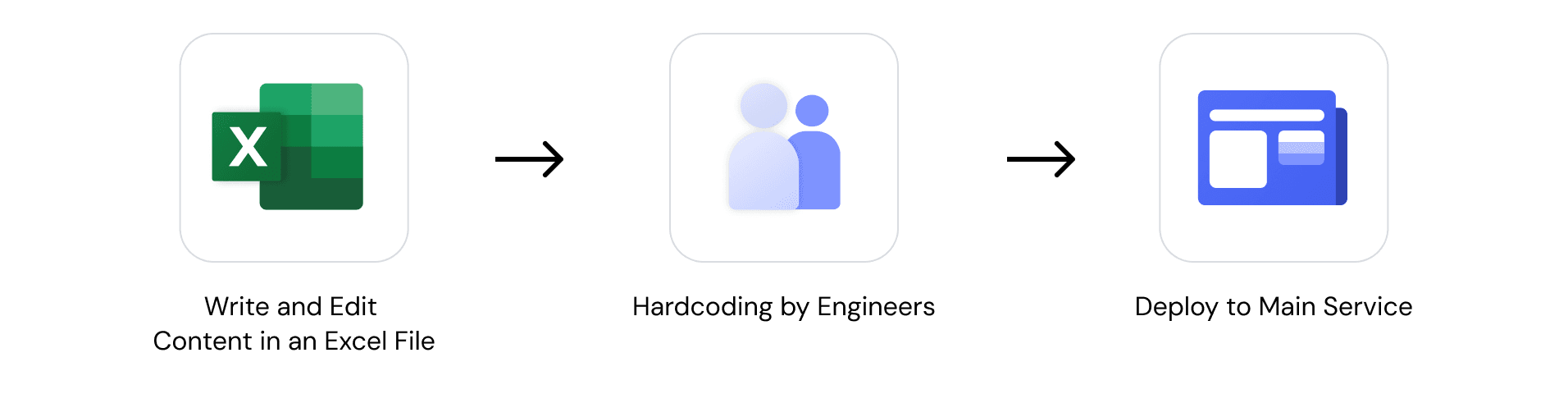
The content team can now write directly in the CMS, and final approvers can publish content, making the upload flow seamless.
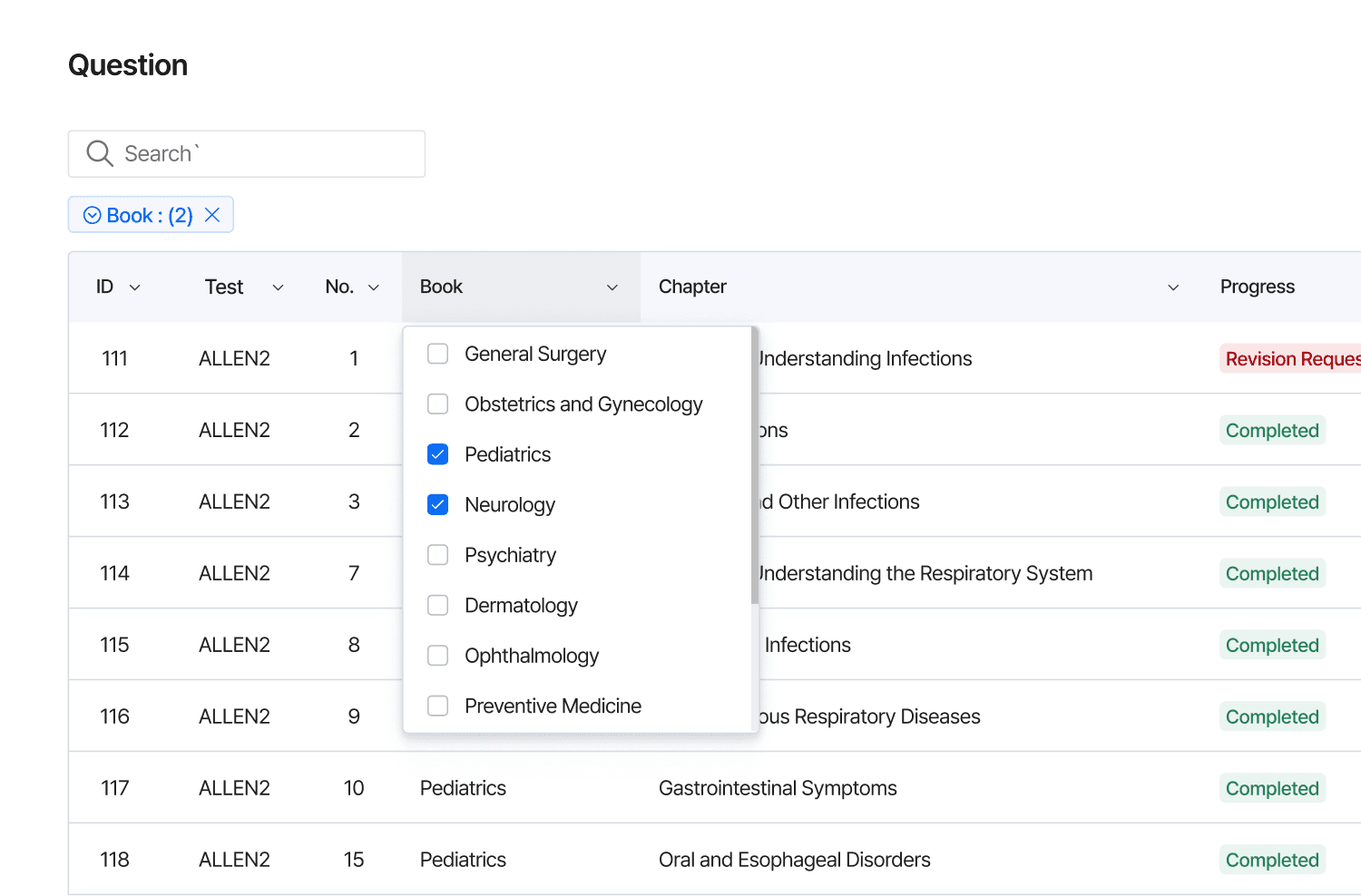
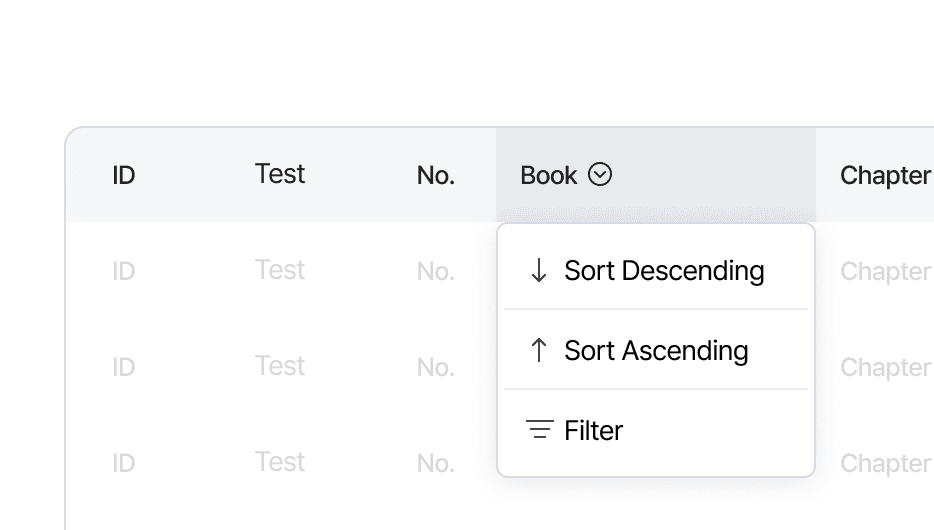
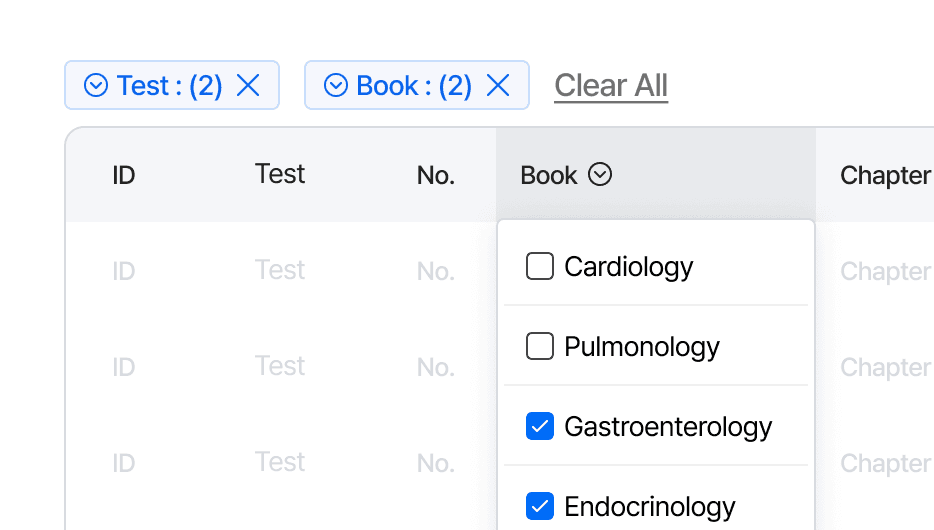
Content creators can use advanced filters in the table header to narrow down and view the specific lists they need to create and refine.
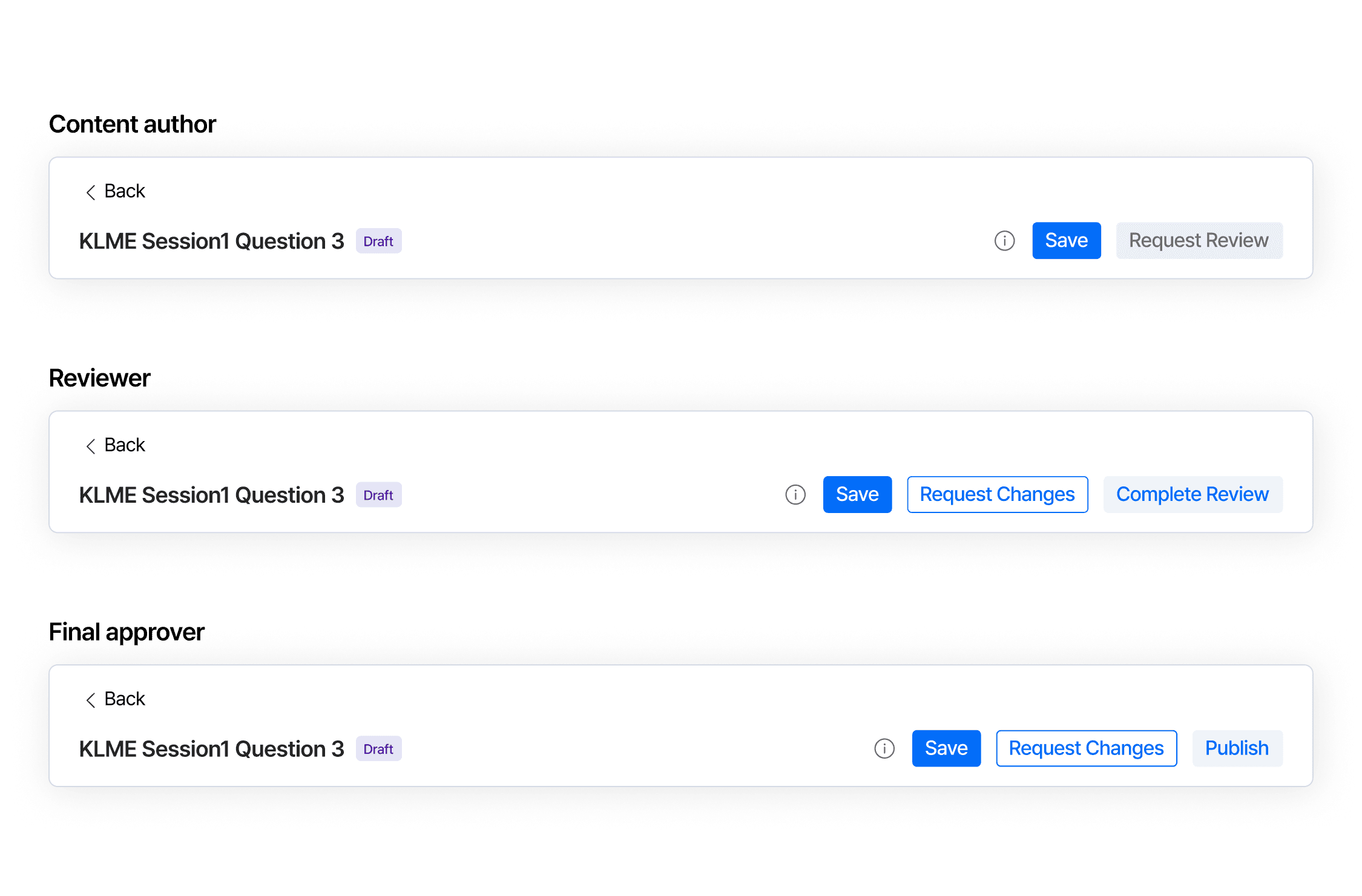
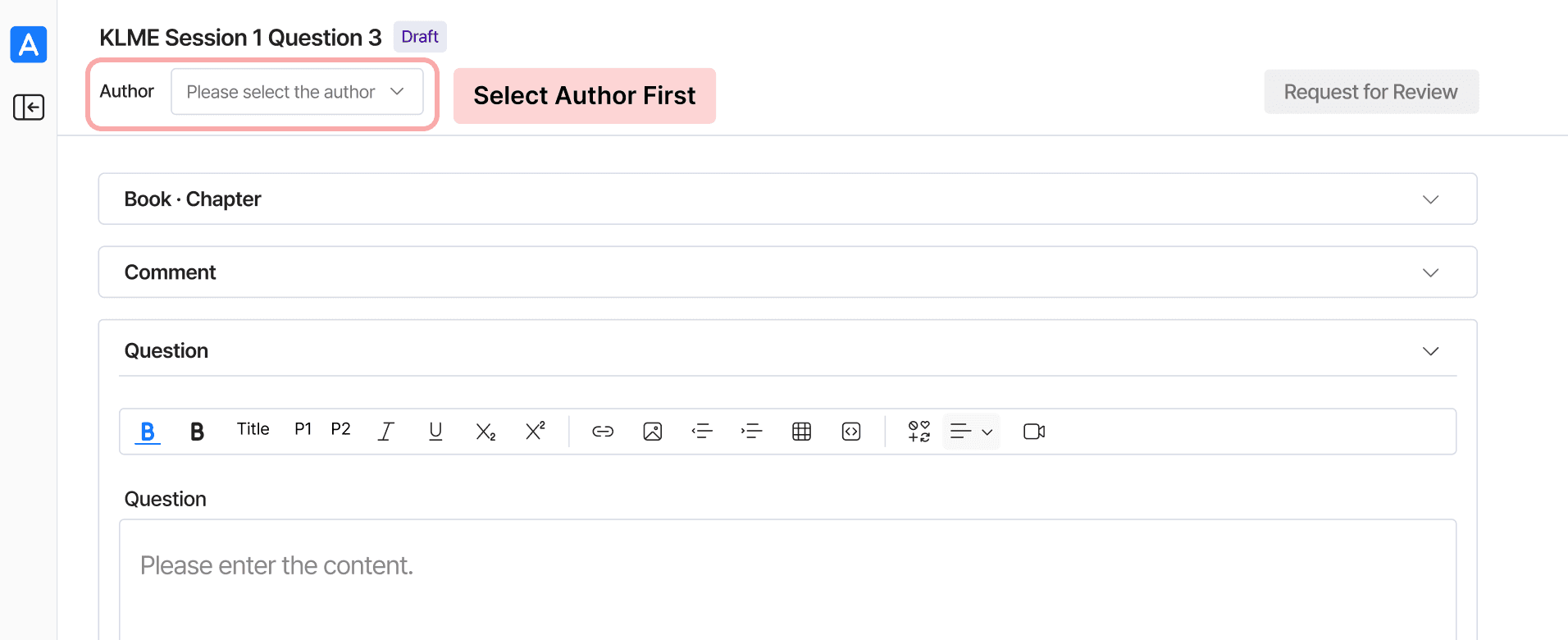
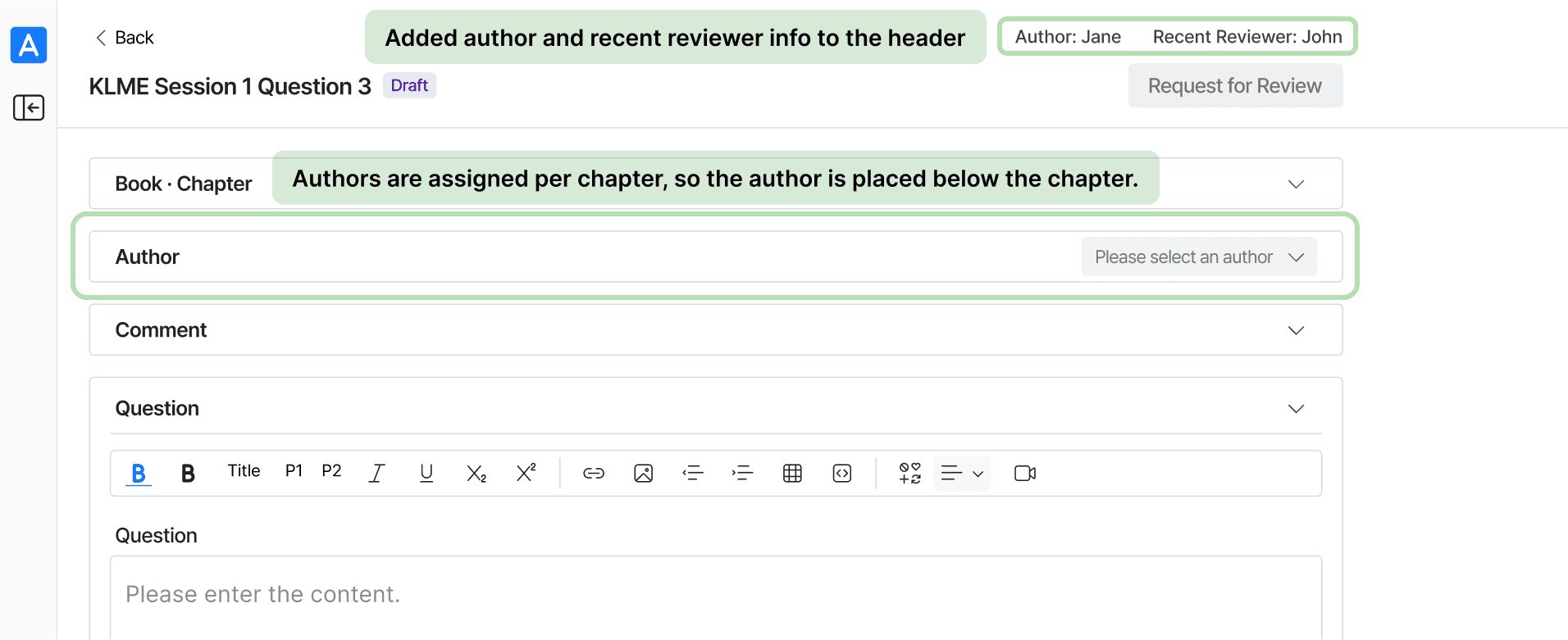
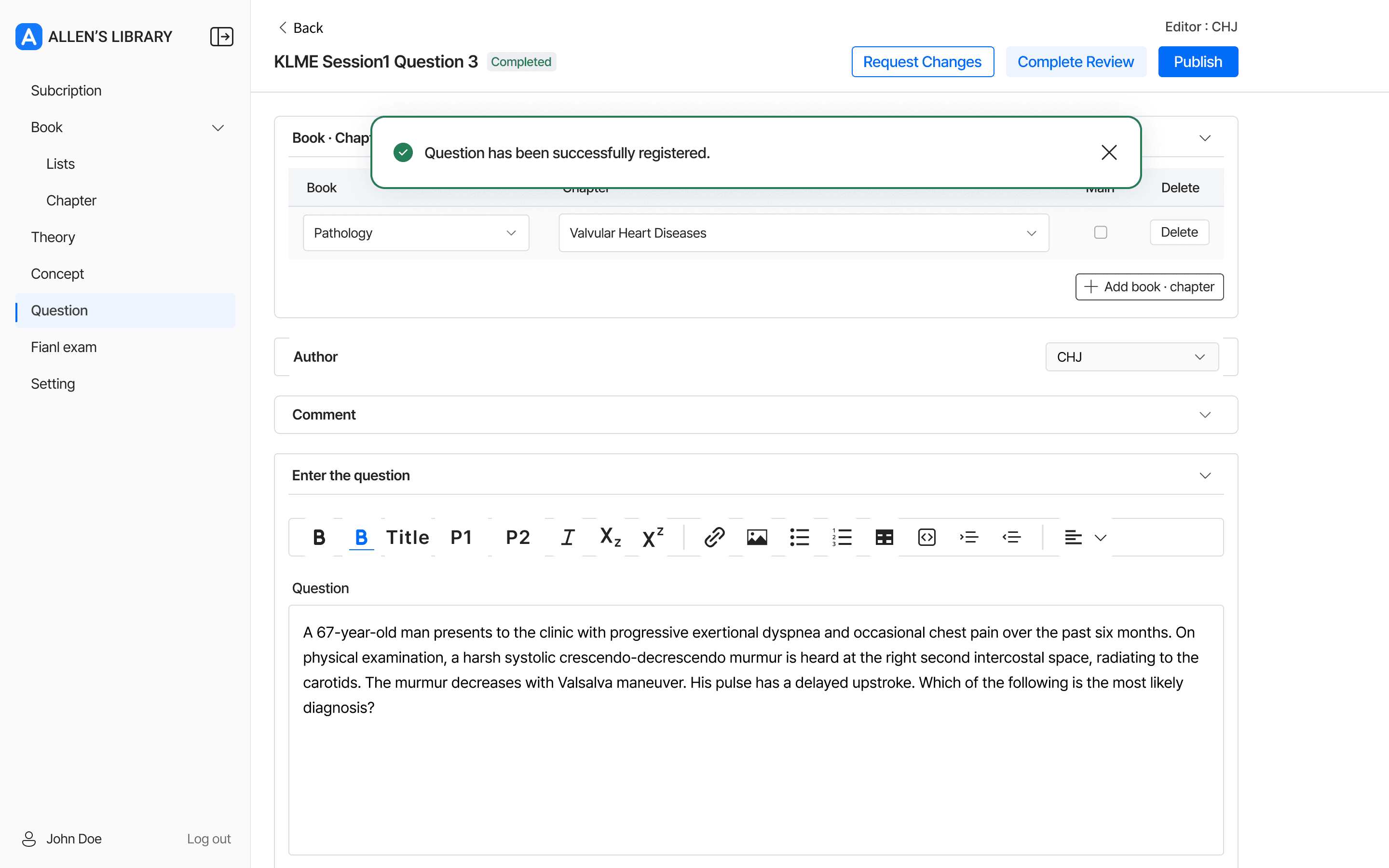
Designed the content creation screen header with role-based permissions, allowing only final reviewers to publish content.
Impact
1. After implementing the CMS, engineering requests decreased by 12%, reducing developer workload.
2. The content team was able to release updates every week—a process that had previously been difficult—ensuring that medical students had access to up-to-date study materials.
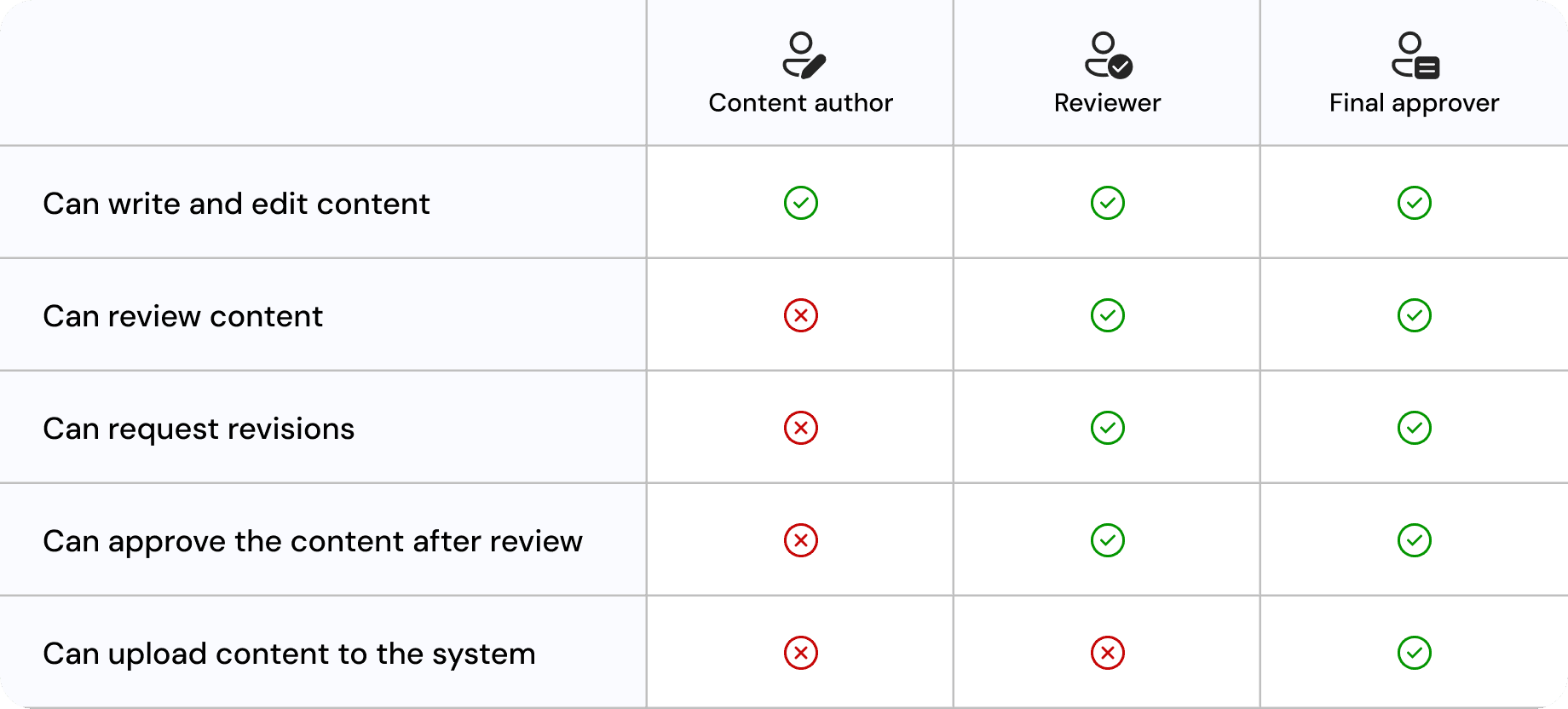
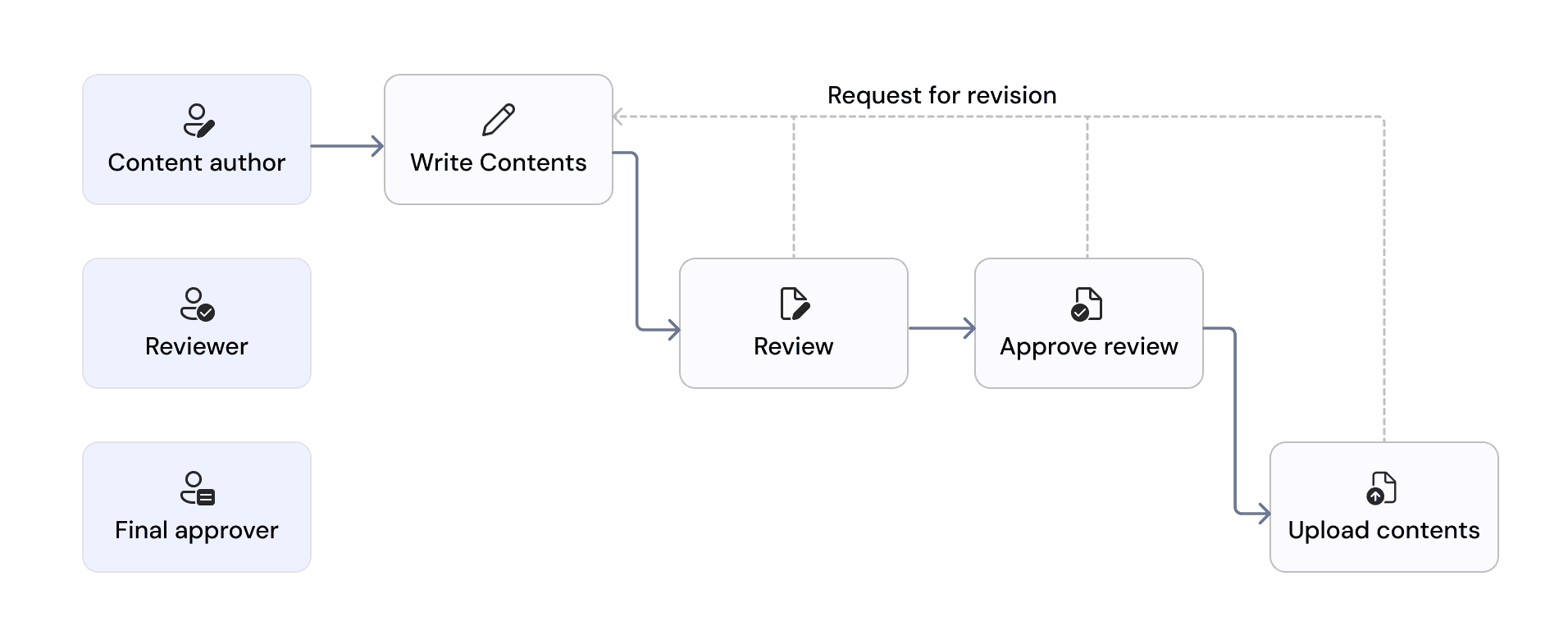
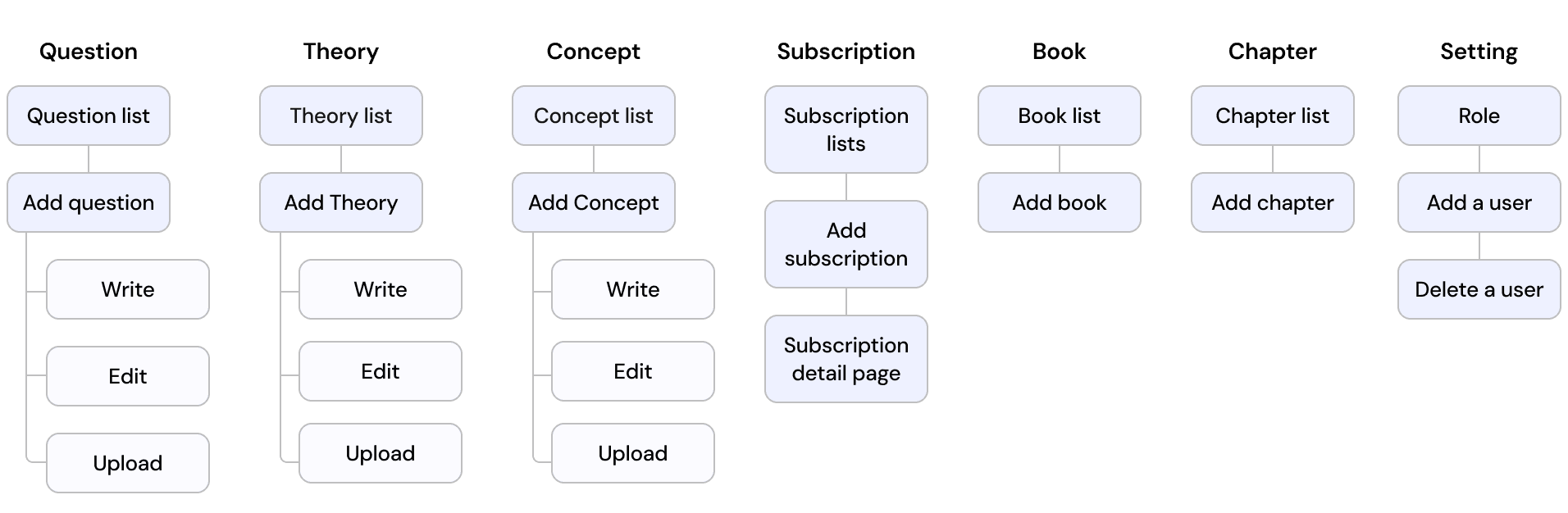
I structured the information architecture to streamline content creation (theory and questions) and system management (books, chapters, subscriptions, and users).
I created a mid-fi wireframe and shared it with my team members. By reviewing it step by step with the PM, we were able to quickly identify any missing functionalities, misaligned flows, or areas needing improvement. This process allowed for flexible iterations before finalizing the design.
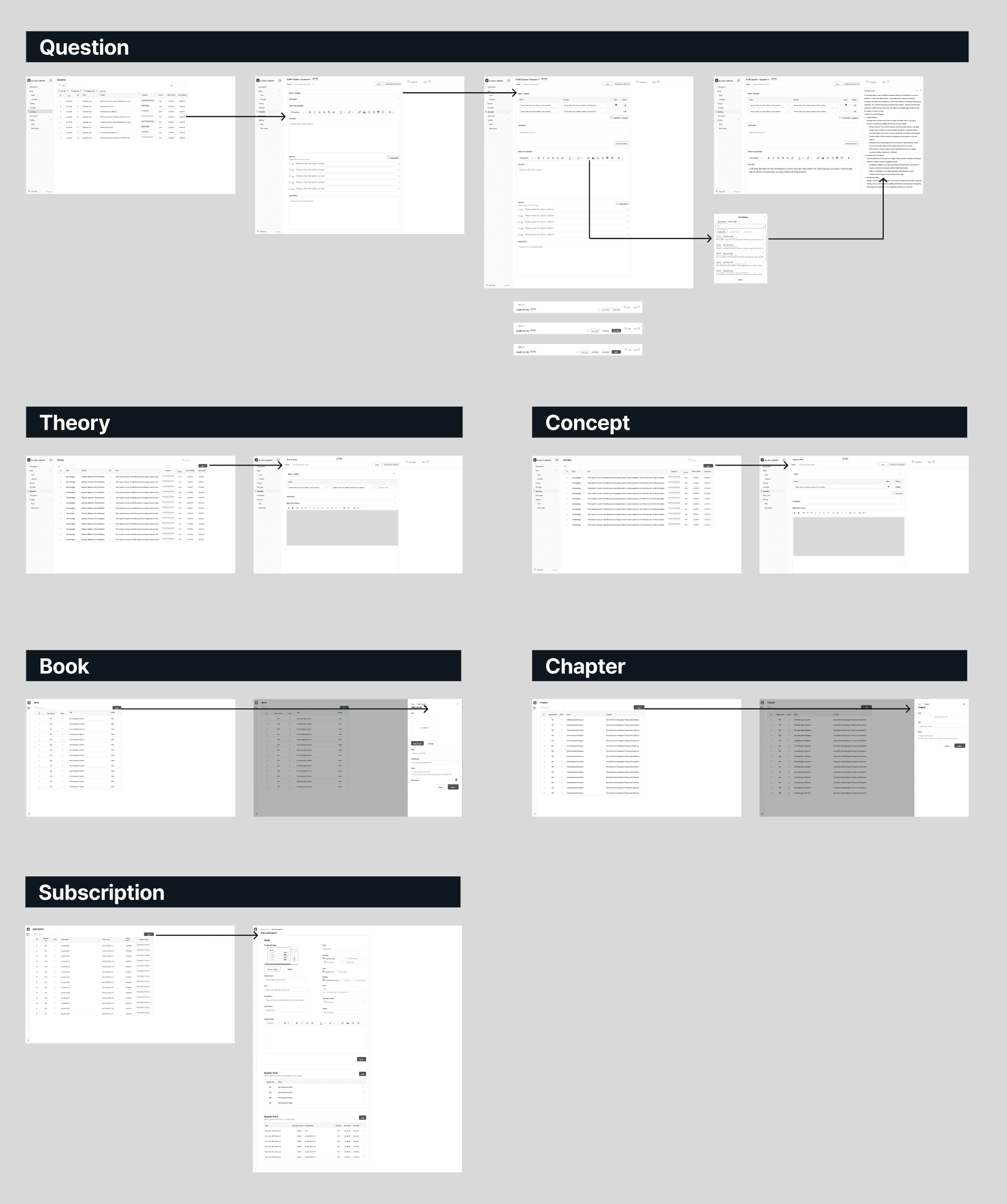
Since each content team member was responsible for different sections, I added filter and sorting functions in the table header, enabling them to quickly view only their assigned content.
During discussions with developers, we confirmed that author selection is tied to the chosen book and chapter, as each section already has assigned content authors. Accordingly, we adjusted the interface to place the author field below the book and chapter selectors.
I was able to better understand how the CMS and the main service interact and how each function is connected. This helped me see the project from a broader perspective and understand the bigger picture.
Since the back-office project had lower development priority than the main product, I had to work within time and technical constraints. Through this experience, I learned how to prioritize essential functions and focus on delivering the most critical features first.
I collaborated effectively with developers by using Notion’s Kanban system, which helped manage tasks clearly and maintain smooth communication throughout the project.